Updated June 2026
Japanese head spa has become popular among travelers who want more than a quick massage. It feels local, relaxing, and easy to add to a Tokyo itinerary.
Before booking, however, it helps to understand what a head spa includes, how prices work, and what foreign visitors should check in advance.
What to Expect at a Tokyo Head Spa
A head spa session may include scalp consultation, shampoo, warm water, scalp massage, neck and shoulder care, aromatherapy, and a relaxation period. Some salons use a microscope to check the scalp, while others focus more on sleep-like relaxation.
The experience is usually quiet. Many Japanese salons value privacy, cleanliness, and calm service. If you are used to loud spa environments, a Japanese head spa may feel more subtle and precise.
Wet Head Spa vs Dry Head Spa
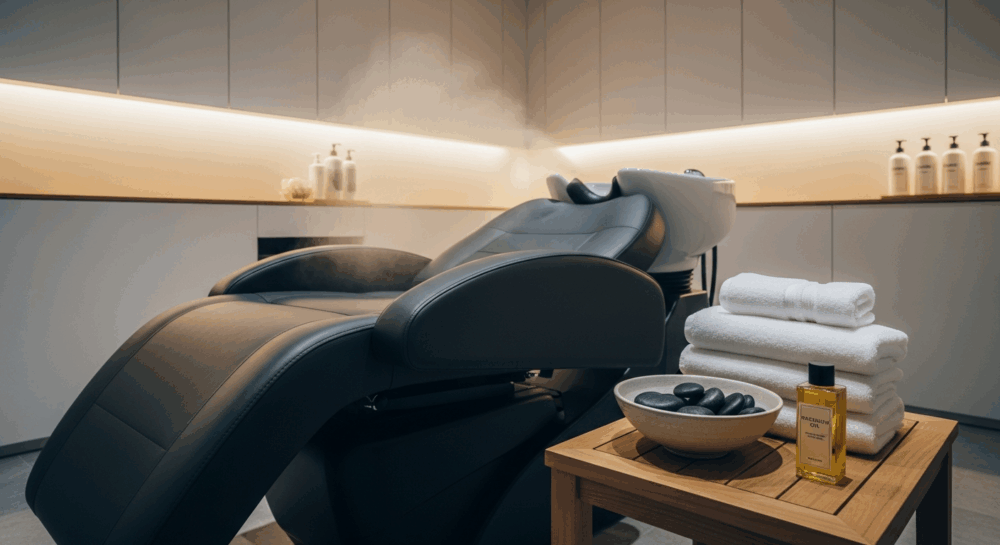
Wet head spaOften includes shampoo, scalp cleansing, warm water, and hair drying. Good for scalp care and a fresh feeling. Dry head spaNo shampoo. Focuses on head, neck, and relaxation massage. Good before or after sightseeing. Hybrid menusSome salons combine scalp care, head massage, neck care, and shoulder work. Private roomsUseful for tourists who want a quiet break from crowded areas.
Why Japanese Head Spa Became Popular with Travelers
Part of the appeal is visual. Japanese head spa videos often show warm water, steam, slow scalp massage, and quiet rooms. They look relaxing even before you understand the treatment. For travelers, this creates a strong “I want to try this in Japan” feeling.
Another reason is that the experience feels specific to Japan. While scalp care exists in many countries, Japanese salons often combine cleanliness, detailed service, quiet atmosphere, and careful technique. That combination makes the treatment feel like both beauty care and cultural wellness.
For tourists who are not interested in nightlife or crowded attractions every evening, a head spa can be a calmer way to spend time in Tokyo. It can also be easier to fit into a schedule than an onsen trip or a full spa day.
Typical Price and Duration
Prices vary depending on location, room type, and menu. A short dry head spa may be around 30 to 60 minutes, while a premium private head spa can be 90 to 120 minutes or longer. Tourist-friendly and English-friendly salons often present longer, higher-priced menus because they include private rooms, detailed consultation, and add-ons.
When you book, check the total duration, whether shampoo and drying are included, and whether the listed price includes tax.

How Booking Works in Japan
In Japan, many beauty salons use a platform called Hot Pepper Beauty. For Japanese customers, it is a normal way to compare menus, check available times, read reviews, and make reservations. For travelers, it may feel unfamiliar because much of the interface is Japanese.
Some salons also accept bookings through their official website, LINE, Instagram DM, Google Maps links, or phone. Hot Pepper Beauty is useful when you want to see real time slots, while Instagram DM can be useful if the salon is used to answering foreign visitors.
If you message a salon, keep the request simple: date, time, number of people, preferred course, whether you need English support, and whether you are visiting from overseas. Clear information makes it easier for the salon to say yes or suggest another time.
Is English Support Always Available?
No. Some salons have English websites or English-friendly staff, while others may only support Japanese. That does not always mean you cannot visit. Many travelers use browser translation, reservation screenshots, and simple phrases to communicate.
If English support is important, look for phrases such as “English-friendly,” “English menu,” “tourists welcome,” or “foreign visitors welcome.” If the salon does not clearly say this, avoid assuming.
Booking Platforms You May See
Many salons in Japan use Hot Pepper Beauty, which is one of the most common beauty booking platforms. Some tourist-facing salons use their own website, Instagram DM, or reservation forms. Each method has pros and cons.
Hot Pepper Beauty is useful because it shows menus, prices, time slots, maps, and reviews in one place. The downside is that the interface is mainly Japanese. Browser translation usually helps, but menu names and cancellation notes may still be confusing.
Instagram DM can feel easier if the salon replies in English, but availability may not be as clear as a booking calendar. If you use DM, include your preferred date, time, number of guests, menu length, and whether you need English support.
Book Ahead, Especially for Popular Salons
Same-day booking is possible in Tokyo, but it is not the best assumption for a popular head spa. Small salons, private-room salons, and well-reviewed places may fill earlier than expected.
Saturdays, Sundays, Japanese public holidays, and evening slots are usually more competitive. Weekday late morning and early afternoon slots are often easier for tourists because local customers are at work.
If your Tokyo stay is short, book once your travel route is decided. It is better to reserve a realistic slot in advance than to spend your trip checking availability again and again.
What Foreign Visitors Should Check Before Booking
- Location and nearest station
- Whether the menu is wet or dry
- Whether hair drying is included
- Whether men can book
- Whether private rooms or pair rooms are available
- Payment method and cancellation rules
- Whether the booking page can be translated clearly
Check Whether Tourists Are Accepted
Some salons are excellent for local customers but not set up for visitors who do not speak Japanese. This can affect the consultation, cancellation rules, payment, building instructions, and what happens if you arrive late.
Look for signs such as “English-friendly,” “tourists welcome,” “foreign visitors welcome,” clear photos, map instructions, and easy-to-understand menus. If the salon does not mention these things, it may still accept tourists, but you should confirm before booking.
Also check practical details that tourists often miss: whether men can book, whether two people can visit at the same time, whether the treatment is dry or wet, whether blow-dry is included, and whether credit cards or cashless payment are accepted.
When Is the Best Time to Book?
For tourists, late afternoon or early evening is often the easiest time. You can enjoy sightseeing during the day, take a quiet break, then return to your hotel feeling calmer. If the treatment includes shampoo, avoid booking right before a formal dinner or event unless hair drying and styling are clearly included.
How to Avoid a Booking Mismatch
The biggest mistake is booking a wet head spa when you wanted a quick dry relaxation session, or booking a dry head spa when you expected shampoo and scalp cleansing. Read the menu carefully. If the service includes shampoo, confirm whether blow-dry is included and how long the total appointment takes.
Another mismatch is pressure. Some travelers expect a strong massage, while Japanese head spa may be gentler and slower. If you want strong pressure, say so politely. If the pressure is uncomfortable, tell the therapist early rather than waiting until the end.
Finally, do not assume every salon can handle English conversation. Even if the service itself is excellent, communication may be limited. Choose a salon based on your comfort level with translation tools.
Cancellation, Late Arrival, and Japanese Salon Etiquette
Japanese salons are usually punctual. If you arrive late, your treatment may be shortened, or the reservation may be treated as a cancellation depending on the salon’s rules. Plan extra time for train exits, elevators, and finding the correct building entrance.
No-show cancellations are taken seriously. If your schedule changes, cancel or message the salon as early as possible. Even if the interface is Japanese, browser translation can help you find the cancellation policy.
Tipping is not customary in Japan. A simple thank you is enough. Payment, changing rooms, and consultation flow vary by salon, so follow the staff’s instructions and keep your reservation screen available.
A Quiet Shinjuku Option: Koutei no Ikinuki
If your Tokyo stay includes Shinjuku, Shinjuku-sanchome, or Shinjuku Gyoen, Koutei no Ikinuki can be a convenient option for a quiet head spa experience. The salon is especially relevant for eye strain, neck stiffness, screen fatigue, and mental tiredness.
Looking for a quiet head spa near Shinjuku Gyoen?
Koutei no Ikinuki is a private head spa salon near Shinjuku Gyoenmae, suitable for travelers who want to rest their eyes, neck, and mind during a Tokyo trip.
Hot Pepper Beauty is a Japanese booking website. Browser translation may help if the booking page opens in Japanese.
Useful Etiquette
- Arrive on time or slightly early.
- Speak quietly inside the salon.
- Tell the therapist if the pressure is too strong.
- Do not worry about tipping. It is not customary in Japan.
- Keep your reservation confirmation on your phone.
Suggested Itinerary Ideas
If you are staying near Shinjuku or Shibuya, book a head spa after a shopping day. If you are staying near Ginza or Tokyo Station, consider a salon that is easy to reach without multiple train transfers. If you are visiting with a partner, look for pair-friendly or same-room options before booking.
For a first-time visitor, a 60 to 90 minute session is usually easier than a very long luxury course. It gives you enough time to experience the treatment without making the day revolve around one appointment. If you love it, you can book a longer course later in the trip.
Build the Appointment Around Your Travel Day
A head spa works best when it reduces friction in your itinerary. Choose a salon near an area you already plan to visit, near your hotel, or near the route back to your hotel. A famous salon may not be worth it if it adds several transfers when you are tired.
If you are planning a heavy dinner, nightlife, or a smoky izakaya afterward, consider a dry head spa or schedule the head spa earlier. If you choose a wet head spa, leave time for drying and avoid rushing straight into a crowded restaurant.
If you have luggage, check station lockers, hotel baggage storage, or taxi options. Many salons are compact and may not have space for large suitcases.
How to Choose by Travel Style
If you are visiting Tokyo for the first time, choose a salon close to an area you already plan to visit. A head spa should make the day easier, not add a complicated transfer. Shinjuku, Shibuya, Ginza, Ebisu, Omotesando, and Roppongi are all common areas where tourists may look for wellness services.
If you are traveling as a couple, check pair rooms or same-time availability. Some salons can accept two people, but not necessarily in the same room. If you want a shared experience, confirm this before booking. If you are traveling alone, a private head spa can be a peaceful solo activity after a crowded day.
If you are on a business trip, pay attention to opening hours and total appointment time. A 60-minute menu may still require extra time for check-in, consultation, changing, drying, and payment. Leave enough margin so the appointment does not become stressful.
Red Flags to Watch For
Be careful if the menu is unclear, the location is hard to understand, or the cancellation rules are not visible. This does not mean the salon is bad, but it may be harder for a foreign visitor to use without Japanese support.
Also avoid assuming that every spa-like service is the same. A scalp treatment, dry head spa, body massage, facial, and beauty salon head spa can all be different. Read the menu name and description carefully, especially if you want a specific experience such as shampoo, neck work, private room, or relaxation-focused dry head spa.
Finally, if a treatment sounds too medical or promises to cure health problems, be cautious. A head spa can support relaxation and comfort, but it should not replace medical care when symptoms are serious.
FAQ
Is a head spa worth trying in Tokyo?
For many visitors, yes. It is a relaxing way to experience Japanese beauty and wellness culture without needing a full spa day.
How long should I book for my first visit?
A 60 to 90 minute menu is usually enough for a first visit. Longer courses can be nice, but they may be harder to fit into a travel schedule.
Do I need to tip?
No. Tipping is not customary in Japan. Simply paying the listed price and arriving on time is appropriate.
Staff Insights | What the Pros Say
We asked the staff at “Koutei no Ikinuki” (Emperor’s Break), a head spa specialty salon, about common questions from visitors.
Related English Guides
- Best Head Spa for Couples in Asakusa & Ueno
- Head Spa in Kyoto: 5 Best Salons for Tourists
- Head Spa in Osaka: 6 Best Salons for Tourists
- Couples Head Spa in Yokohama: 5 Best Salons
- What is Dry Head Spa? A Complete Guide
- Couples Head Spa in Tokyo: Where to Book
- Dry Head Spa for Eye Strain & Neck Stiffness
- Shinjuku Head Spa Guide: How to Choose
Summary
A Tokyo head spa can be a memorable wellness experience for tourists, especially if you are tired from walking, screens, flights, or jet lag. The key is to choose the right type of salon, understand the booking flow, and pick a location that fits your itinerary.

コメント