Updated June 2026
Shinjuku is one of the most convenient areas in Tokyo, but it can also be overwhelming. After a long flight, a full day of sightseeing, or hours of looking at your phone for maps and translations, your eyes, neck, and head may feel heavier than usual.
A Japanese head spa can be a quiet way to reset during your trip. This guide explains how to choose the best Shinjuku area for a head spa, including Shinjuku Station, Shinjuku-sanchome, Shinjuku Gyoenmae, Kabukicho, Higashi-Shinjuku, and Nishi-Shinjuku.
What Is a Japanese Head Spa?
A Japanese head spa is a relaxation and scalp-care treatment focused on the head, scalp, neck, and sometimes shoulders. Depending on the salon, it may include shampoo, scalp cleansing, warm water, scalp massage, dry head massage, neck work, aromatherapy, or a private room experience.
For travelers, the appeal is not only hair care. Many people choose a head spa because they feel eye strain, neck stiffness, jet lag, poor sleep, or mental fatigue after moving around Tokyo.
Understanding the Shinjuku Area
For many visitors, Shinjuku is both useful and exhausting. It has major train lines, hotels, department stores, restaurants, nightlife, offices, parks, and access to sightseeing spots. That convenience is exactly why travelers often end up spending more time in Shinjuku than expected.
However, “Shinjuku” is not just one place. The station area, Shinjuku-sanchome, Shinjuku Gyoenmae, Kabukicho, Higashi-Shinjuku, and Nishi-Shinjuku each feel different. Choosing the right area can make a head spa appointment much easier and more relaxing.
If you are tired from travel, the best salon is not always the closest one to the biggest station exit. A calm location, easy directions, and the right atmosphere may matter more than being directly next to Shinjuku Station.
Best Shinjuku Areas for a Head Spa
Shinjuku Station areaBest for convenience, hotels, shopping, and train transfers. It is easy to reach, but can feel crowded and busy. Shinjuku-sanchomeGood for visitors shopping around Isetan, cafes, restaurants, and central Shinjuku. Easy to combine with daytime plans. Shinjuku GyoenmaeA calmer area slightly away from the busiest station zone. Good for travelers who want a quiet reset near Shinjuku Gyoen. Kabukicho / Higashi-ShinjukuConvenient for nightlife, hotels, and evening plans, but choose carefully if you want a quiet relaxation-focused salon. Nishi-ShinjukuUseful for business travelers, hotels, offices, and people with screen-related eye strain after work. Near your next destinationThe best choice may simply be the area that keeps your route easy after the appointment.
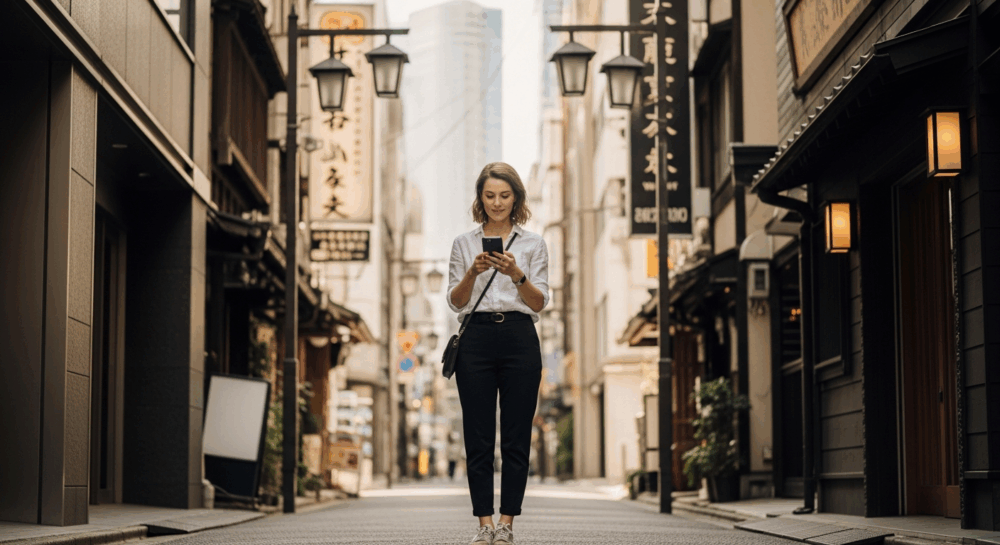
Shinjuku Area Map for First-Time Visitors
When a salon says it is in “Shinjuku,” check the exact sub-area before booking. Shinjuku Station, Shinjuku-sanchome, Shinjuku Gyoenmae, Nishi-Shinjuku, and Higashi-Shinjuku can feel very different once you are tired or carrying bags.
The simple map below is not a navigation map, but it shows the practical relationship between the areas. If your hotel is near the station, Shinjuku Gyoenmae is still close enough to consider, but you should check the route from the correct station exit.
Who Is a Head Spa Good For?
- Travelers with eye strain from maps, cameras, phones, or laptops
- People with neck stiffness after a long flight
- Visitors who feel tired after walking around Tokyo all day
- People who want a calm break without a busy massage shop atmosphere
- Anyone looking for a Japanese wellness experience that is easy to fit into a travel schedule
Common Travel Situations Where a Head Spa Helps
One common situation is the first or second day after arrival. Even if you are excited to explore Tokyo, your body may still be adjusting to the flight, time difference, and hotel pillow. A gentle head spa can be an easy way to slow down without losing half a day.
Another situation is after a shopping or sightseeing day. Many visitors spend hours walking through Shinjuku, Harajuku, Shibuya, or Ginza while looking at a phone for routes and translations. The combination of walking, screen use, bright lights, and crowded trains often shows up as eye strain and neck tension.
A third situation is a work trip. If you are visiting Tokyo for business and spend the day in meetings or on a laptop, a head spa near your hotel can be a practical evening reset. It is less intense than a full body treatment and easier to schedule before returning to rest.
How to Choose a Head Spa Salon in Shinjuku
1. Check whether it is wet or dry
A wet head spa usually includes shampoo and scalp cleansing. A dry head spa focuses on relaxation massage without washing your hair. If you have plans after the treatment, check whether your hair will be wet and whether blow-drying is included.
2. Check the atmosphere
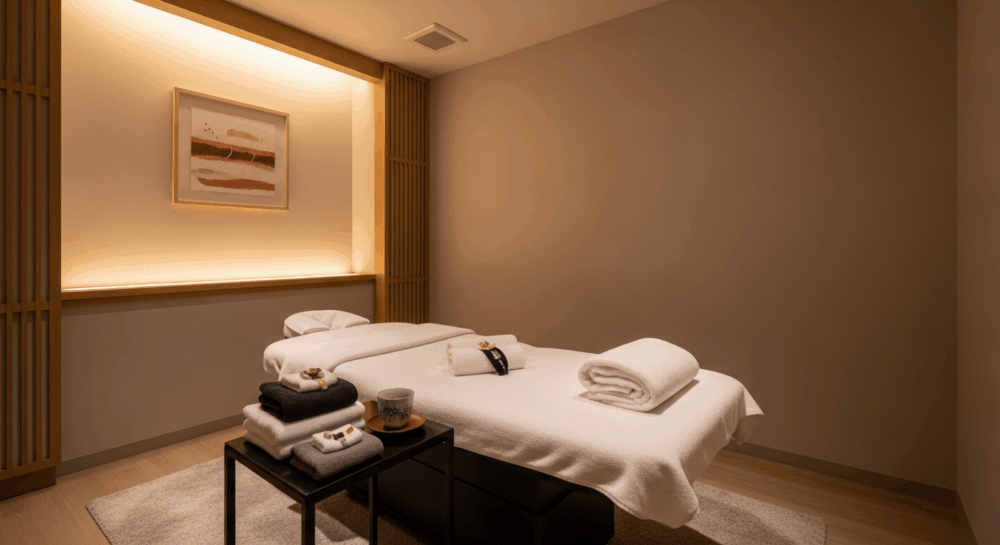
Some salons are casual and fast. Others focus on private rooms, quiet lighting, and deep relaxation. For travel fatigue, a calm private room may be more comfortable.
3. Check the booking flow
Many Japanese salons use Hot Pepper Beauty or Instagram. If the page is in Japanese, browser translation can help. It is also useful to keep the salon name and reservation screen on your phone.
4. Check what kind of fatigue you want to address
If your main concern is eye strain or neck stiffness, choose a salon that mentions the neck, shoulders, eye fatigue, or deep relaxation rather than scalp cleansing only.
How to Move Around Shinjuku Without Stress
Shinjuku Station is one of the largest and most confusing stations in Tokyo. A salon that looks “five minutes from Shinjuku” may still feel hard to reach if you exit from the wrong side of the station. Before your appointment, check the exact station exit, building name, and floor.
If you are carrying luggage, traveling with family, dealing with rain, or already tired from walking, a short taxi ride can be the better choice. Tokyo taxis are not always cheap, but avoiding a stressful final transfer can make the head spa feel like a real rest instead of another challenge.
For Shinjuku Gyoenmae, it may be easier to use the Marunouchi Line or a taxi from your hotel rather than forcing every route through Shinjuku Station. The right route depends more on your current location than on the famous station name.
Recommended Option Near Shinjuku Gyoen: Koutei no Ikinuki
If you want a calmer head spa experience slightly away from the busiest station area, Shinjuku Gyoenmae is a good area to consider. Koutei no Ikinuki is located near Shinjuku Gyoenmae Station and is one option for travelers looking for a quiet reset.
The salon focuses on deep relaxation, eye strain, neck and shoulder stiffness, and “brain fatigue,” a common Japanese expression used to describe mental tiredness from work, screens, stress, or travel. It is especially suitable for people who want a calm break in the Shinjuku area rather than a busy, casual massage experience.
Looking for a quiet head spa in the Shinjuku area?
Koutei no Ikinuki is a private head spa salon near Shinjuku Gyoenmae, suitable for travelers who want to rest their eyes, neck, and mind while staying close to the wider Shinjuku area.
Hot Pepper Beauty is a Japanese booking website. Browser translation may help if the booking page opens in Japanese.
Simple Phrases That May Help
If you do not speak Japanese, you can still prepare a few simple phrases or show them on your phone. For example, “strong pressure is okay,” “soft pressure please,” “my neck is stiff,” or “my eyes are tired.” These are simple enough for translation apps to handle and can make the treatment more comfortable.
It is also useful to show the staff your reservation screen. Japanese buildings can be difficult to navigate, and some salons are located on upper floors. Keeping the address, salon name, and booking time visible on your phone reduces stress at check-in.
If you have allergies, injuries, pregnancy-related concerns, or medical conditions, do not rely only on machine translation. Contact the salon in advance or choose a place that clearly offers English support.
Best Timing for a Head Spa in Shinjuku
Popular salons in Tokyo can fill up in advance, especially on Saturdays, Sundays, public holidays, and weekday evenings after work. If the salon is small or private-room based, same-day availability may be limited.
For travelers, the safest plan is to book a few days ahead once your Tokyo schedule is roughly fixed. If you want an easier slot, weekday late morning or early afternoon is often more flexible than weekend evenings.
Late afternoon can work well if you want to reset after sightseeing and before dinner. If you are booking a wet head spa, leave enough time for shampoo, drying, payment, and walking to the next place.
Booking Tips for Foreign Visitors
- Hot Pepper Beauty is widely used in Japan, but many pages are mainly in Japanese.
- Use browser translation if you are not comfortable reading Japanese.
- Arrive a little early, especially if the building entrance is hard to find.
- If you have strong pain, numbness, fever, or a medical condition, consult a doctor first.
- Tipping is not customary in Japan.
How to Add It to a Tokyo Itinerary
A simple plan is to shop around Shinjuku Station or Shinjuku-sanchome during the day, walk through Shinjuku Gyoen if it fits your itinerary, then book a head spa in the late afternoon. After the session, have a light dinner nearby and return to your hotel without rushing. This keeps the treatment from becoming another stressful appointment.
If you are traveling as a couple or with a friend, check whether the salon can accept two people at nearby times. Not every small private salon has pair rooms, so confirm before assuming. If you are traveling alone, a private head spa can be a comfortable solo activity because it does not require conversation or group participation.
Plan Around Dinner, Smoke, and Nightlife
If you care about keeping your hair and clothes fresh after the treatment, think about what you will do afterward. Izakaya, yakiniku, yakitori, and some small bars can leave food or smoke smells on clothes and hair, even when the meal is fun.
A dry head spa before dinner is usually easy because your hair will not be washed. A wet head spa may feel better before a quieter dinner, a hotel return, or a relaxed evening rather than before a smoky restaurant or crowded nightlife plan.
If your main goal is sleep or recovery, avoid turning the head spa into a rushed stop between too many plans. The best itinerary gives you a little quiet time after the appointment.
What to Compare Before Choosing
Before choosing a salon, compare more than the price. A lower price may be fine for a quick casual treatment, but it may not include the atmosphere, privacy, or consultation that travelers often need. If you are tired from travel, a quiet room and clear booking flow may matter more than saving a small amount of money.
Also compare the exact location. “Shinjuku” can mean many different areas. A salon near Shinjuku Station, Shinjuku-sanchome, Higashi-Shinjuku, and Shinjuku Gyoenmae may feel very different in practice. If your hotel, shopping route, or sightseeing plan is already in the Shinjuku area, choosing a salon on that route can make the appointment much easier.
Reviews can help, but remember that many Japanese reviews are written for local customers. Foreign visitors may care more about directions, language, and booking clarity. If you see photos of the room, entrance, and treatment space, use them to understand whether the salon feels comfortable for your travel style.
Suggested Search Keywords
If you want to search on your own, try phrases such as “Shinjuku head spa,” “head spa Shinjuku,” “Tokyo dry head spa,” “Japanese head spa Shinjuku,” “Shinjuku-sanchome head spa,” “Nishi-Shinjuku head spa,” and “head spa for eye strain Tokyo.” You can also combine the area with your main concern, such as “neck stiffness,” “eye strain,” or “travel fatigue.”
Japanese booking sites may use translated phrases differently, so you may also see words like “dry head spa,” “scalp care,” “relaxation,” “eye fatigue,” or “brain fatigue.” The phrase “brain fatigue” is common in Japanese wellness marketing and usually means mental tiredness from screens, stress, work, or travel.
If you find a salon you like, check the official map and route before the appointment. Tokyo buildings often have many floors and small entrances, so the final five minutes can be more confusing than the train ride.
Check Whether the Salon Is Tourist-Friendly
Not every good local salon is prepared for foreign visitors. Some salons may be Japanese-only, some may not be comfortable with translation apps, and some may have rules that are difficult to understand if you cannot read Japanese.
Before booking, check whether the page mentions foreign visitors, English support, men, pair booking, cancellation rules, and the exact menu. If the information is unclear, choose a salon with a clearer booking flow rather than hoping everything will be fine at the door.
実際にあった施術例(皇帝の息抜き)
リラクゼーション自体が初めてだった方の施術例です。ホットペッパービューティーの口コミと、担当スタッフの記録をもとに再構成しています。
リラクゼーションが初めてで緊張していた(20代前半・女性)
| 来店された方 | 20代前半・女性・会社員 |
| 受けたメニュー | 漢方炭酸シャワーヘッドスパ 90分 |
| ご相談内容 | リラクゼーション自体が初めてで、来店時はかなり緊張していた |
施術者より(皇帝の息抜き)
目の疲れが気になる方には、ご自宅でのケアもお伝えしています。電子レンジで温めたタオルで目元を温めること、スマホやパソコンの合間に目を閉じて休ませることです。
施術後は「頭・首・肩が軽くなっていて驚いた」とのことでした。
※実際にいただいた口コミと、施術を担当したスタッフの記録をもとに再構成しています。個人が特定される情報は含んでいません。感じ方には個人差があり、同じ結果を保証するものではありません。
※「皇帝の息抜き」は、本サイトの運営者が運営しているヘッドスパ専門店です。そのため同店については、施術者の記録をもとにした詳しい情報を掲載しています。他店の紹介内容は、公開情報および取材をもとに編集部が独自に作成しています。
FAQ
Is Shinjuku a good area for a head spa?
Yes. Shinjuku is easy to reach from many parts of Tokyo. The key is choosing the right sub-area: station area for convenience, Shinjuku-sanchome for shopping, Nishi-Shinjuku for business trips, and Shinjuku Gyoenmae for a calmer break.
Can I book if I do not speak Japanese?
It depends on the salon. Use browser translation for the booking page, keep your reservation screen ready, and prepare simple phrases for pressure and problem areas.
Should I choose a dry or wet head spa?
Choose dry if you want a quick relaxation break without washing your hair. Choose wet if scalp cleansing and shampoo are part of what you want.
Staff Insights | What the Pros Say
We asked the staff at “Koutei no Ikinuki” (Emperor’s Break), a head spa specialty salon, about common questions from visitors.
Related English Guides
- Best Head Spa for Couples in Asakusa & Ueno
- Head Spa in Kyoto: 5 Best Salons for Tourists
- Head Spa in Osaka: 6 Best Salons for Tourists
- Couples Head Spa in Yokohama: 5 Best Salons
- What is Dry Head Spa? A Complete Guide
- Couples Head Spa in Tokyo: Where to Book
- Dry Head Spa for Eye Strain & Neck Stiffness
- Tokyo Head Spa for Tourists: What to Expect
Summary
A head spa in the Shinjuku area can be a practical way to reset during a Tokyo trip. Shinjuku Station is convenient, Shinjuku-sanchome is easy to combine with shopping, Nishi-Shinjuku works well for business travelers, and Shinjuku Gyoenmae is a calmer choice for visitors who want a quiet break. If you want a quiet salon near Shinjuku Gyoenmae, Koutei no Ikinuki is worth considering.

コメント