Updated June 2026
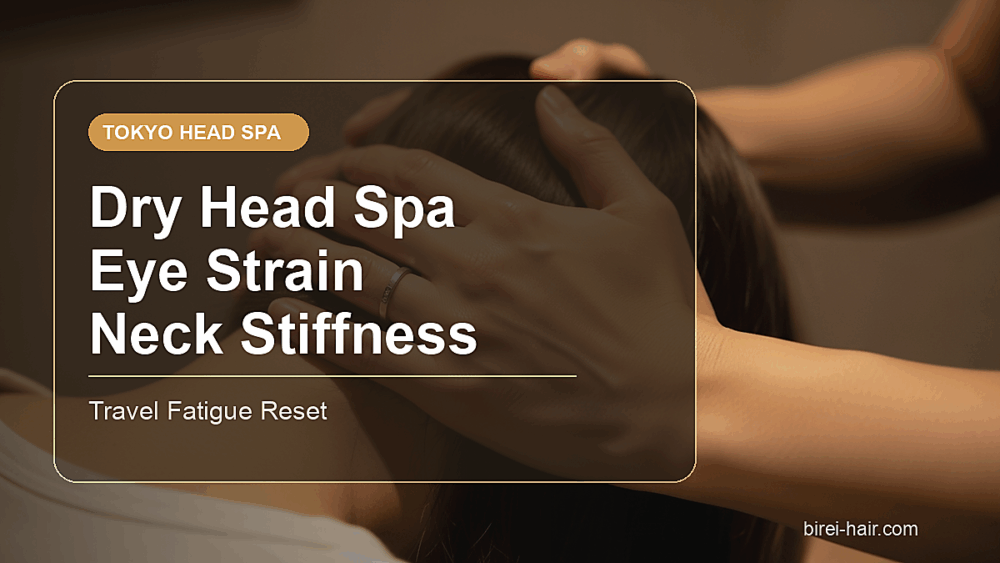
Traveling in Tokyo can be exciting, but it can also leave your eyes, neck, and head feeling heavy. Long flights, hotel pillows, crowded trains, phone navigation, and screen translation can all add up.
A Japanese dry head spa is one option for travelers who want to rest without washing their hair or changing their schedule too much.
What Is a Dry Head Spa?
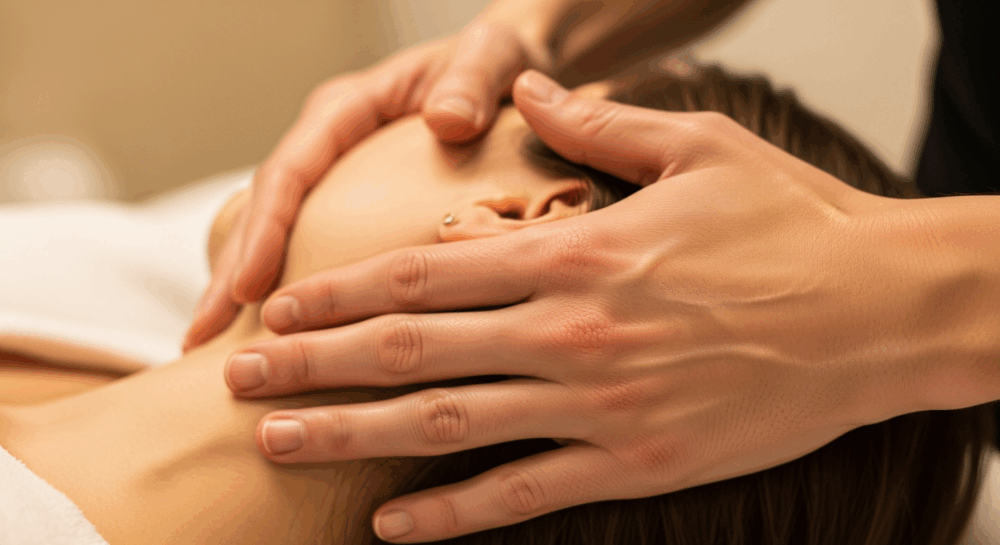
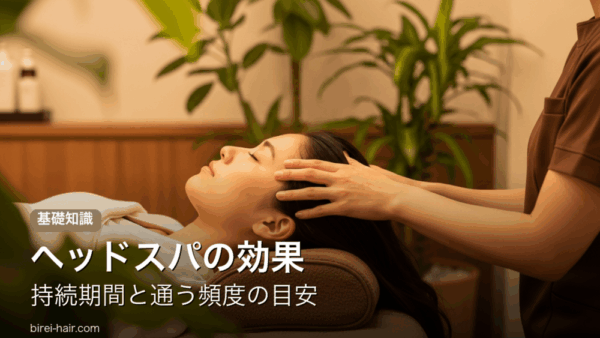
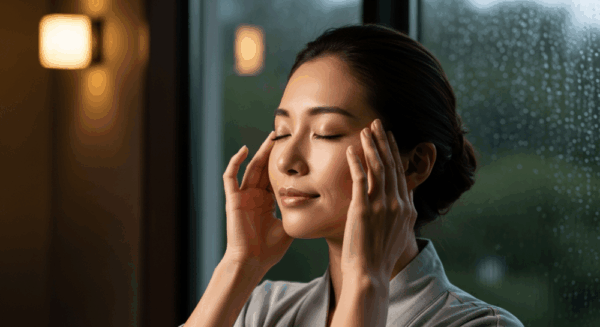
A dry head spa is a head-focused relaxation treatment performed without shampoo or water. The therapist usually works on the scalp, temples, forehead, neck, and sometimes shoulders while you lie down or recline.
Because your hair does not get wet, it can be easier to fit into a travel day. You may book it between sightseeing, after work, or before returning to your hotel.
Why Travelers Feel Eye Strain and Neck Stiffness
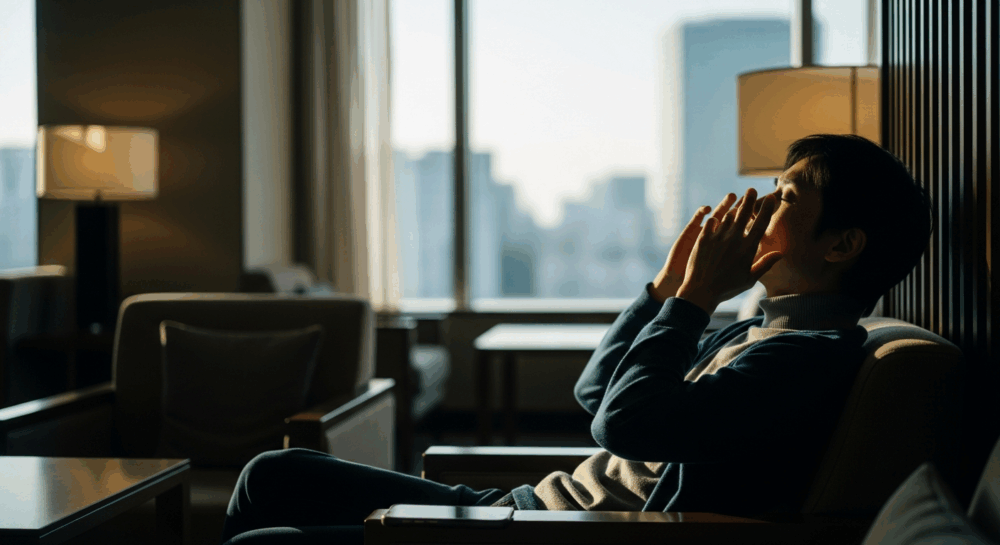
Phone navigationLooking down at maps for hours can tighten the neck and shoulders. Long flightsSeats, pillows, and sleep posture can leave the neck stiff. Jet lagPoor sleep can make the head feel heavy and unfocused. Busy sightseeingCrowds, lights, and constant decisions can create mental fatigue.
Why Dry Head Spa Fits a Travel Schedule
The biggest advantage is simplicity. Because there is no shampoo, you do not need to worry as much about wet hair, styling, or changing clothes. This makes dry head spa easier to schedule between sightseeing, dinner, or returning to your hotel.
It can also be a good option when you feel tired but do not want a full body massage. Some travelers feel uncomfortable changing clothes or receiving a body treatment in a new country. A dry head spa is usually more focused and less intimidating.
For people with screen-related fatigue, the focus on temples, forehead, occipital area, neck, and upper shoulders is practical. Those are the areas that often become tense after long phone use, laptop work, or flight posture.
How Dry Head Spa May Help
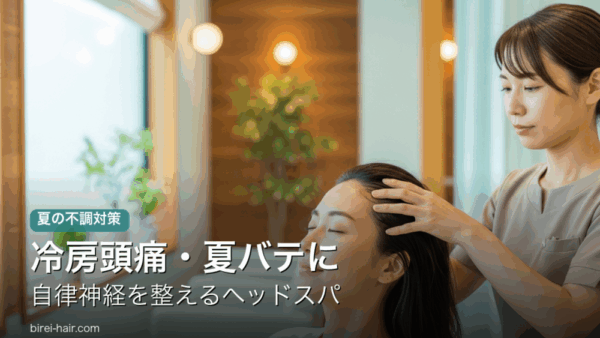
A dry head spa is not medical treatment, but it can help create a quiet reset. Gentle work around the temples, occipital area, and neck may make the head feel lighter. A calm room, slow rhythm, and low stimulation can also help the nervous system shift from “travel mode” to “rest mode.”
Many people choose dry head spa for eye strain, neck stiffness, poor sleep, stress, and mental tiredness. If you have strong pain, numbness, dizziness, or sudden symptoms, seek medical advice instead of relying on relaxation treatment.
Dry Head Spa vs Regular Massage
A body massage may be better if your legs, back, or whole body are tired. A dry head spa is more focused on the head, face, neck, and upper shoulder area. It is a good fit when the main problem is eye strain, head heaviness, screen fatigue, or a tight neck.
What It May Feel Like During the Session
A good dry head spa should not feel rushed. The rhythm is often slow, with repeated pressure and release around the scalp and neck. You may feel your breathing slow down or your shoulders drop without thinking about it.
Some people feel sleepy during the session. Others feel mentally clearer afterward. Both are normal. If you need to go directly to a busy event, tell the therapist that you do not want to become too sleepy. If your goal is better rest, book it near the end of the day.
The treatment should not create sharp pain. A comfortable level of pressure is important, especially around the neck. If something feels too strong, communicate early.
Best Timing During Your Trip
Dry head spa is especially easy to schedule because your hair does not get wet. For many travelers, the best timing is the day after arrival, the middle of a busy sightseeing stretch, or the evening after a long walking day.
If you are using it for sleep and jet lag, book it near the end of the day and keep the rest of the evening simple. If you want to feel clearer before dinner, book late afternoon and leave a little time before the next reservation.
Weekends, public holidays, and evenings can be busy in Tokyo. If you want a popular private salon, reserve ahead rather than waiting until you already feel exhausted.
When Should You Book It?
- After a long sightseeing day in Shinjuku or Shibuya
- After a flight, if you feel neck stiffness and poor sleep
- Before returning to your hotel for a quiet evening
- During a work trip when your eyes feel tired from screens
When Dry Head Spa Is Not Enough
If your symptoms are severe, sudden, or unusual, a relaxation treatment is not the right answer. Strong headache, dizziness, numbness, fever, injury, or pain that does not improve should be checked by a medical professional.
Dry head spa is best understood as a wellness and relaxation option. It may support rest, reduce the feeling of tension, and create a calm break, but it is not a medical diagnosis or treatment. This distinction is especially important for travelers who may be dealing with dehydration, jet lag, or illness.
Before or After Dinner?
Dry head spa can fit before dinner because there is no shampoo and no wet hair. It can be a good reset before a calm meal or before returning to your hotel.
After dinner is possible, but think about the type of restaurant. Izakaya, yakiniku, yakitori, and small bars may leave food or smoke smells on clothes and hair. If you arrive at a quiet salon immediately after that, you may not feel as fresh or relaxed.
If you plan to drink alcohol heavily, avoid booking afterward. Relaxation treatments are better when you are hydrated, alert enough to communicate, and not feeling sick.
Shinjuku Option for Eye Strain and Neck Stiffness
Koutei no Ikinuki near Shinjuku Gyoenmae is a private head spa salon that can be considered if you want a calm reset in the Shinjuku area. It is relevant for travelers who feel eye strain, neck stiffness, travel fatigue, or “brain fatigue” from a busy Tokyo schedule.
Looking for a quiet head spa near Shinjuku Gyoen?
Koutei no Ikinuki is a private head spa salon near Shinjuku Gyoenmae, suitable for travelers who want to rest their eyes, neck, and mind during a Tokyo trip.
Hot Pepper Beauty is a Japanese booking website. Browser translation may help if the booking page opens in Japanese.
Booking and Language Checks
Hot Pepper Beauty is a common booking platform in Japan, but many pages are mainly Japanese. Browser translation can help you check menus, available times, cancellation rules, and maps.
Some salons accept Instagram DM or official website reservations, especially if they are used to tourists. When contacting a salon, mention your preferred date, time, number of people, course length, and whether you need English support.
If the salon does not clearly welcome foreign visitors, confirm before booking. A Japanese-only salon may still be good, but it can be stressful if you need detailed communication about symptoms, pressure, or medical concerns.
How to Keep the Relaxed Feeling Longer
After the session, avoid immediately returning to bright screens, loud areas, or a packed schedule if possible. Drink water, keep your neck warm, and give yourself a little time before rushing to the next place.
If you are using it for jet lag, combine the treatment with a simple evening routine: light dinner, short walk, warm shower, and less phone time before bed. The head spa can create the opening, but your behavior afterward helps decide whether the relaxed feeling lasts.
Hotel, Luggage, and Taxi Tips
Choose the salon based on the route you will actually take, not only the neighborhood name. In Tokyo, the last few minutes can be the hardest part because stations are large and buildings may have small entrances or upper-floor reception areas.
If you have luggage, use hotel storage, station lockers, or a taxi. Many head spa salons are quiet, compact spaces and may not be comfortable for large suitcases. Traveling light also makes it easier to relax during the appointment.
A taxi can be worth considering when it is raining, when you are very tired, or when the appointment is late. It is not always necessary, but it can protect the relaxed feeling you came for.
Before You Go
- Check the booking page with browser translation if needed.
- Avoid booking immediately after heavy drinking or when you feel sick.
- Tell the therapist if the pressure feels too strong.
- After the session, drink water and avoid rushing back into a crowded schedule.
Signs You May Benefit from a Dry Head Spa
You may benefit from a dry head spa if your head feels heavy after using your phone all day, your neck feels tight after a flight, or your eyes feel tired even after closing them. These are common travel-related discomforts, especially in a city where navigation, translation, photography, and train routes often depend on a smartphone.
Another sign is difficulty relaxing at night. Some travelers feel physically tired but mentally alert because the day has been full of new information. A dry head spa may help create a calmer transition before returning to the hotel.
It may also be useful if you do not want to wash your hair during the appointment. This makes it easier to book before dinner, after sightseeing, or between plans without worrying about styling.
How to Explain Your Condition Simply
If you use a translation app, keep the explanation short. Sentences like “My eyes are tired,” “My neck is stiff,” “Soft pressure please,” and “I want to relax” are easier to translate than a long paragraph. You can also point to your temples, neck, or shoulders to show the area that feels tense.
If you are sensitive to pressure, say so at the beginning. Dry head spa should feel comfortable and calming, not like something you have to endure. If the pressure is too strong, communicate right away.
After the session, give yourself time to notice how your body feels. Some people feel sleepy, some feel lighter, and some simply feel calmer. Any of these can be a useful result during a busy Tokyo trip.
FAQ
Will a dry head spa make my hair wet?
No. A dry head spa is usually performed without shampoo or water, which makes it easy to schedule before or after sightseeing.
Is it good for jet lag?
It does not cure jet lag, but it may help you relax, slow down, and prepare for rest after a long travel day.
Can it help neck stiffness from flights?
It may help reduce the feeling of tension around the head and neck, especially when the stiffness is mild and related to posture or travel fatigue.
Staff Insights | What the Pros Say
We asked the staff at “Koutei no Ikinuki” (Emperor’s Break), a head spa specialty salon, about common questions from visitors.
Related English Guides
- Best Head Spa for Couples in Asakusa & Ueno
- Head Spa in Kyoto: 5 Best Salons for Tourists
- Head Spa in Osaka: 6 Best Salons for Tourists
- Couples Head Spa in Yokohama: 5 Best Salons
- What is Dry Head Spa? A Complete Guide
- Couples Head Spa in Tokyo: Where to Book
- Tokyo Head Spa for Tourists: What to Expect
- Shinjuku Head Spa Guide: How to Choose
Summary
A Japanese dry head spa can be a practical choice for travelers dealing with eye strain, neck stiffness, jet lag, and mental fatigue. It is easy to fit into a Tokyo itinerary because it does not require shampoo, and it can be especially useful when you want a quiet break near Shinjuku.

コメント